By the BNN DeFi Markets Desk
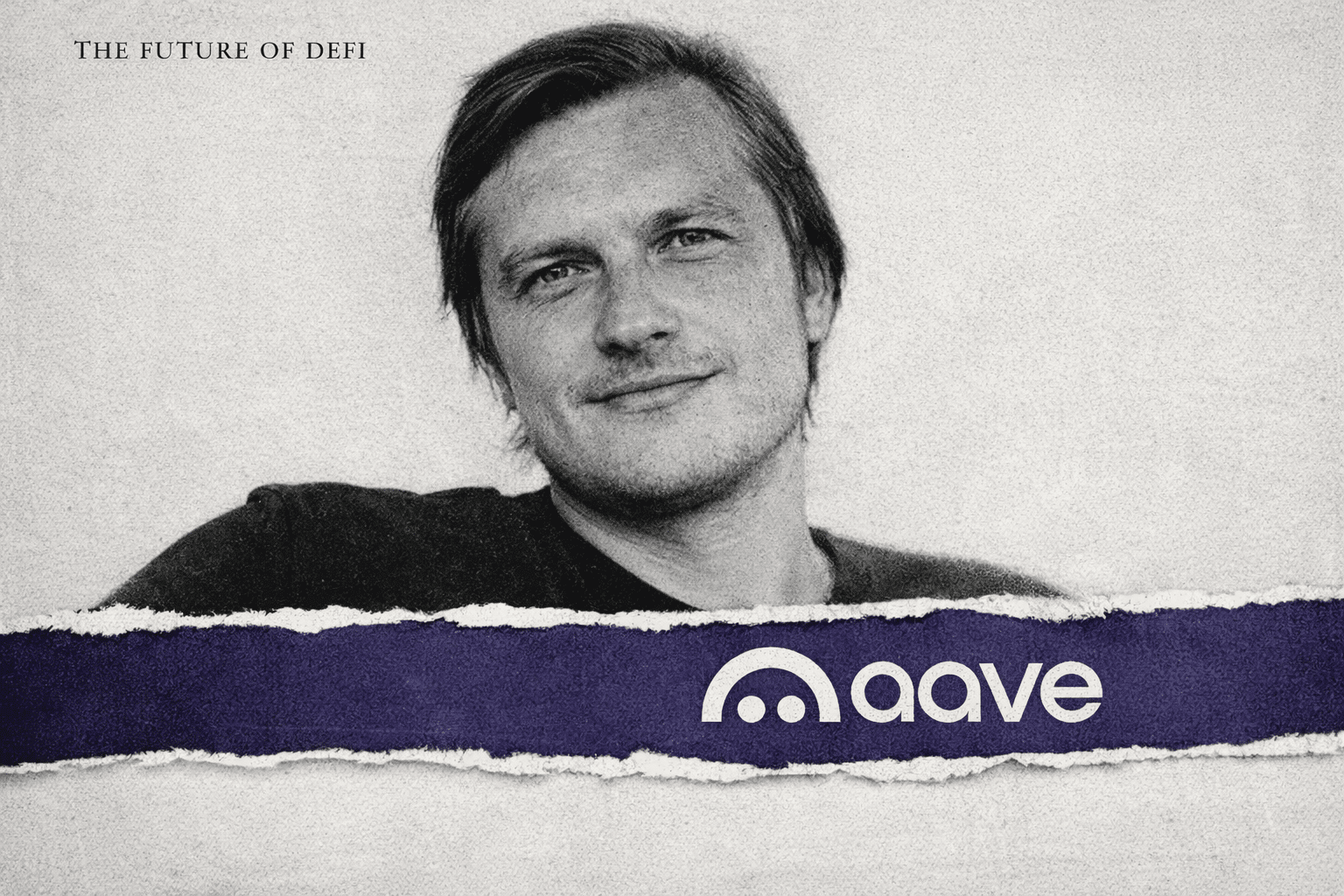
Aave is deploying its core backstop to absorb a $196 million bad-debt shock a real-time test of whether decentralized finance can recapitalise itself without external support.
This is the first real test of whether DeFi can absorb large-scale losses without outside capital or whether its backstops break under stress.
At the center is the Safety Module, a three-layer buffer funded by users:
Slashing is capped at 30% per governance vote.
Three Step Response
Step 1 — Slashing (Underway)
Governance is expected to approve slashing of staked AAVE within 72 hours. Tokens would be sold to cover losses a key driver behind the price decline.
Step 2 — GHO Backstop
If needed, Aave will draw on its GHO stablecoin reserves. The risk is reflexive: selling GHO could pressure its peg and amplify instability.
Step 3 — Token Minting
As a last resort, the DAO can mint new AAVE. This would restore capital but dilute holders.
“The Safety Module was designed for a storm like this — but not necessarily one this large. The question isn't whether Aave survives. It's how much dilution holders absorb on the way out.” — DEFI RISK ANALYST, SPEAKING ON BACKGROUND
Whats a Stake?
The decision is whether to absorb losses internally or seek partial recovery elsewhere. Either path carries trade-offs between credibility and cost.
The timing is critical. Aave’s V4 upgrade aimed at linking DeFi with institutional credit depends on market confidence.
Aave has the tools to absorb the loss. The question is whether those tools hold under pressure.
If the system works, it strengthens DeFi’s case as a self-sustaining financial model. If it doesn’t, it raises deeper questions about whether these markets can withstand stress without external support.

From breaking news to thought-provoking opinion pieces, our newsletter keeps you informed & engaged.