The banks that once called Bitcoin a fraud are now its most powerful distributors.
For years the question was whether Wall Street would ever take crypto seriously. That question has been answered. The only conversation left is how fast the money moves.
86% of institutional investors now hold or are actively planning digital asset allocations. These are not startups or crypto-native funds. These are JPMorgan, Goldman Sachs, Morgan Stanley, Wells Fargo, Nomura, HSBC and Deutsche Bank the institutions that once dismissed Bitcoin as speculation and now run active trading desks, custody operations and client-facing crypto products as permanent business lines.
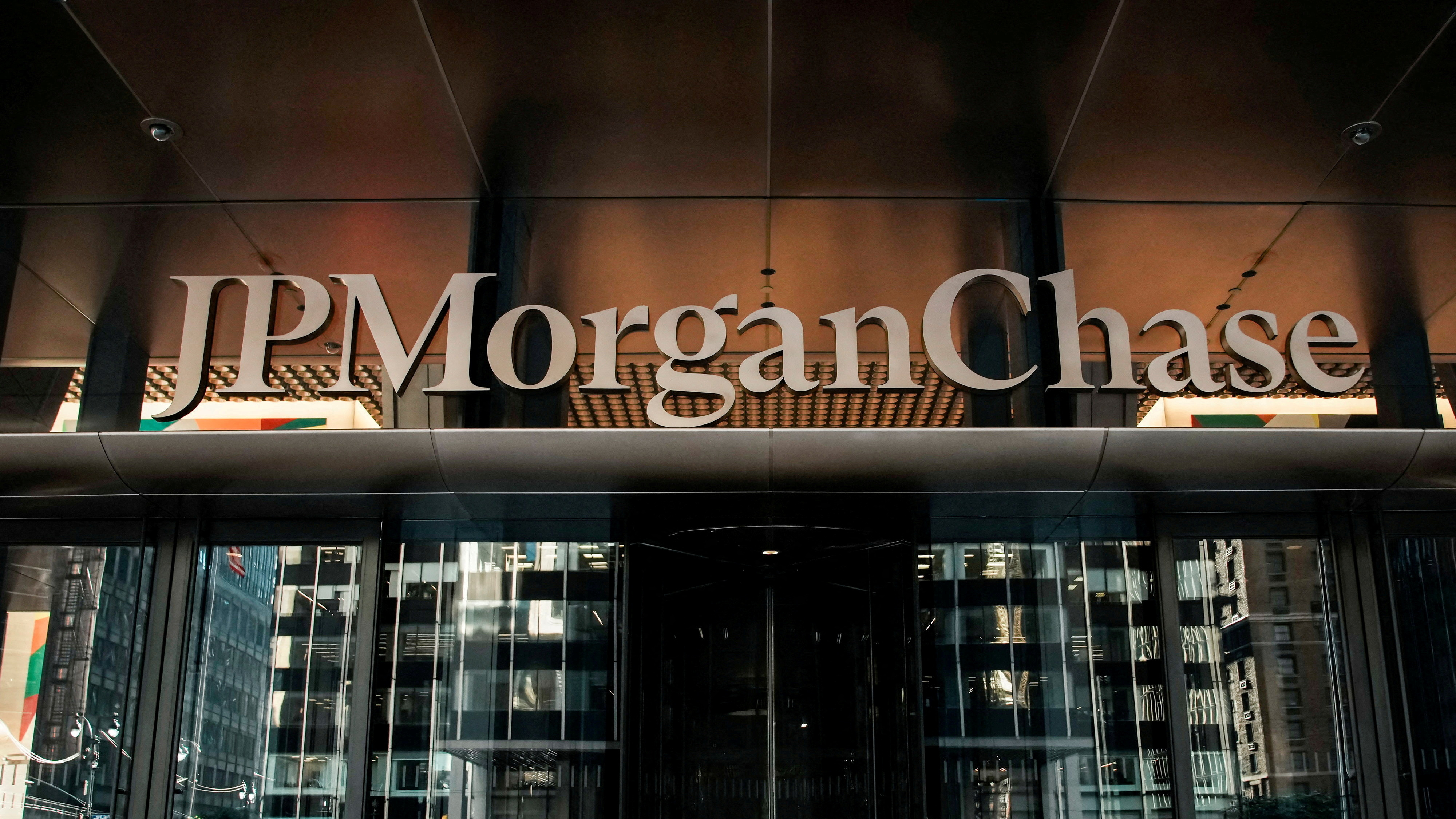
JPMorgan's chief executive once called Bitcoin a fraud. That was 2017. Today the bank operates JPM Coin, issues deposit tokens on public blockchain, and runs crypto prime brokerage services processing billions in digital asset transactions annually. The pivot was not gradual. It was total.
Goldman Sachs built a dedicated crypto trading desk and began offering Bitcoin derivatives to institutional clients long before most competitors acknowledged the asset class existed. Morgan Stanley went further launching MSBT, its own Bitcoin ETF, placing crypto directly inside the portfolios of its millions of high-net-worth wealth management clients. Wells Fargo took the step nobody predicted accepting Bitcoin as Tier 1 collateral alongside cash, government bonds and gold.
In Asia, Nomura launched Laser Digital, a full-service crypto investment arm. DBS Bank built a regulated digital asset exchange for institutional clients. In Europe, Societe Generale issued bonds directly on public blockchain. HSBC launched tokenised gold. Deutsche Bank secured a digital asset custody licence.
These are not pilot programmes being quietly tested in innovation labs. These are revenue lines.
The banks moved because their clients forced them to. A January 2026 survey of 351 institutional decision-makers found 73% plan to increase digital asset allocations this year. Private banking clients the ultra-high-net-worth individuals who generate the most revenue for any major bank began moving assets to competitors willing to offer crypto access. The banks that hesitated watched capital walk out the door. The hesitation ended quickly.
The infrastructure argument the last credible reason institutions gave for staying out is gone. Over 120 banks worldwide now offer live crypto banking services. Regulated custody exists. Compliance frameworks are in place. The SEC removed the key accounting barrier that had prevented banks from holding digital assets on behalf of clients. The plumbing is built and the products are live.
96% of institutional investors now believe in the long-term value of blockchain and digital assets. The average institutional allocation is rising toward 18% of AUM within three years. JPMorgan projects ETF inflows alone could add 30 to 40% to crypto's total market capitalisation.
The 14% still on the sidelines are not making a principled stand. They are making a timing decision. And with every passing quarter it becomes harder to justify.
Goldman trades it. Morgan Stanley distributes it. JPMorgan settles it. Wells Fargo collateralises it.
The debate is over. It has been for a while. The market is only just catching up.

From breaking news to thought-provoking opinion pieces, our newsletter keeps you informed & engaged.